

The Funding Challenge and the Evolution of Talent Funds
By Katie Hawthorne, Communications Manager at DCM.
The cost of reaching the pinnacle of single-seater motorsport has reached a critical point. A single, competitive season with a front-running team in FIA Formula 3 now clears €2 million, while a top-tier seat in FIA Formula 2 routinely commands well north of €3 million annually. The traditional funding mechanism of relying solely on private family wealth or local commercial sponsors is failing to keep pace with these escalating budgets.
As a direct result, the motorsport ecosystem is witnessing a structural shift toward institutionalised driver investment funds and foundations. Bespoke initiatives like the DCM Talent Fund treat elite driving talent as high-upside financial assets, backing them with structured capital in exchange for a stake in their long-term professional earnings. This evolution levels the playing field for exceptional drivers who lack multi-millionaire backgrounds, ensuring that raw talent, rather than the depth of a family’s bank account, dictates who commands the fastest machinery on the grid.
These investment structures operate with the analytical rigour of venture capital firms. Investment committees evaluate drivers based on advanced metrics, data-logged sector times, and commercial marketability before deploying capital. By splitting the financial burden between racing families and private investors, these talent funds are reshaping driver management. This framework gives investors a clear, calculated path to ROI while protecting young talent from sudden budget shortfalls that can derail a career mid-season.
The emergence of these investment frameworks has altered the relationship between drivers, teams, and investors. Historically, a driver’s career was at the mercy of volatile personal sponsors who could suddenly pull funding due to changing corporate priorities or shifting economic climates. Institutional talent funds and foundations eliminate this instability by securing multi-year capital allocations sometimes before a driver ever takes to single-seaters. This financial security allows drivers to focus entirely on their athletic development and engineering feedback, rather than spending their energy chasing corporate sponsorship in the middle of a championship battle.
Furthermore, this financial model introduces a strict system of accountability and performance-driven metrics. Because investors expect a measurable return on their capital through future professional driver contracts, endorsements, and prize money pools, drivers backed by institutional investment structures are subject to rigorous performance evaluations. Every test session, race weekend, and media appearance is analysed to ensure the asset is appreciating in value. This high-pressure environment serves as a powerful simulator for the cutthroat realities of professional racing, preparing drivers for the commercial demands they will face at the highest levels of global motorsport.
About DCM
DCM is a motorsport management powerhouse specialised in the development of aspiring Formula 1 drivers for the junior academy intake of Formula 1 teams. For over 16 years, DCM has discretely steered the careers of professional racing drivers across Formula 1 and other major single-seater and endurance racing series, contributing to numerous drivers’ championship titles. Led by CEO, Henry James, the DCM Academy and DCM Talent Fund engineer the exact sporting and commercial frameworks required to navigate the deeply institutionalised junior single-seater landscape.
Media Contact
Katie Hawthorne
Communications Manager
media@driverclubmanagement.com
Latest News
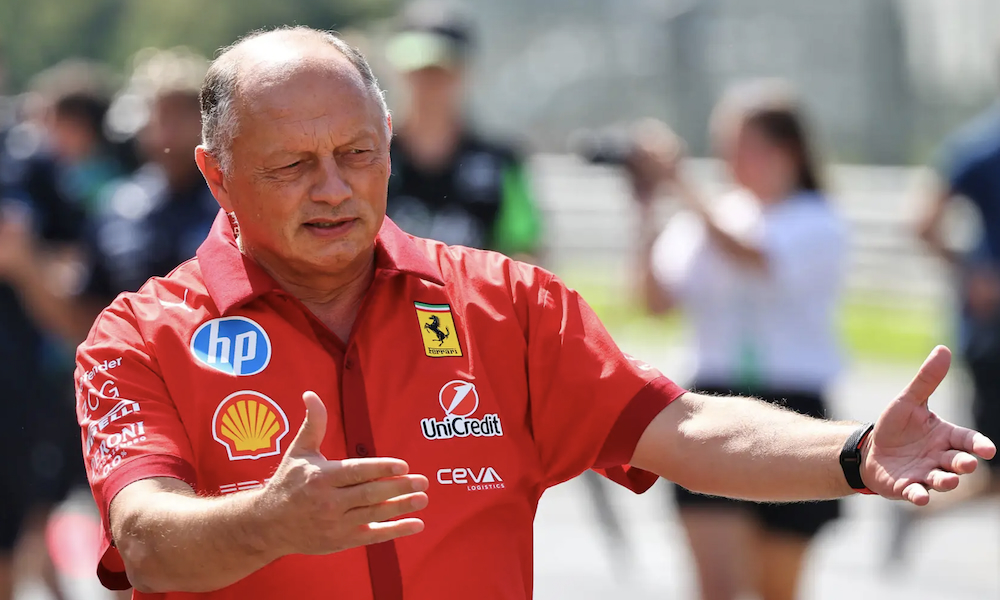
What Losing Fred Vasseur Means for Ferrari and its Academy Drivers
By Katie Hawthorne, Communications Manager at DCM. Formula 1 thrives on cyclical narratives, and the latest paddock speculation surrounding Maranello highlights the intense, unrelenting pressure
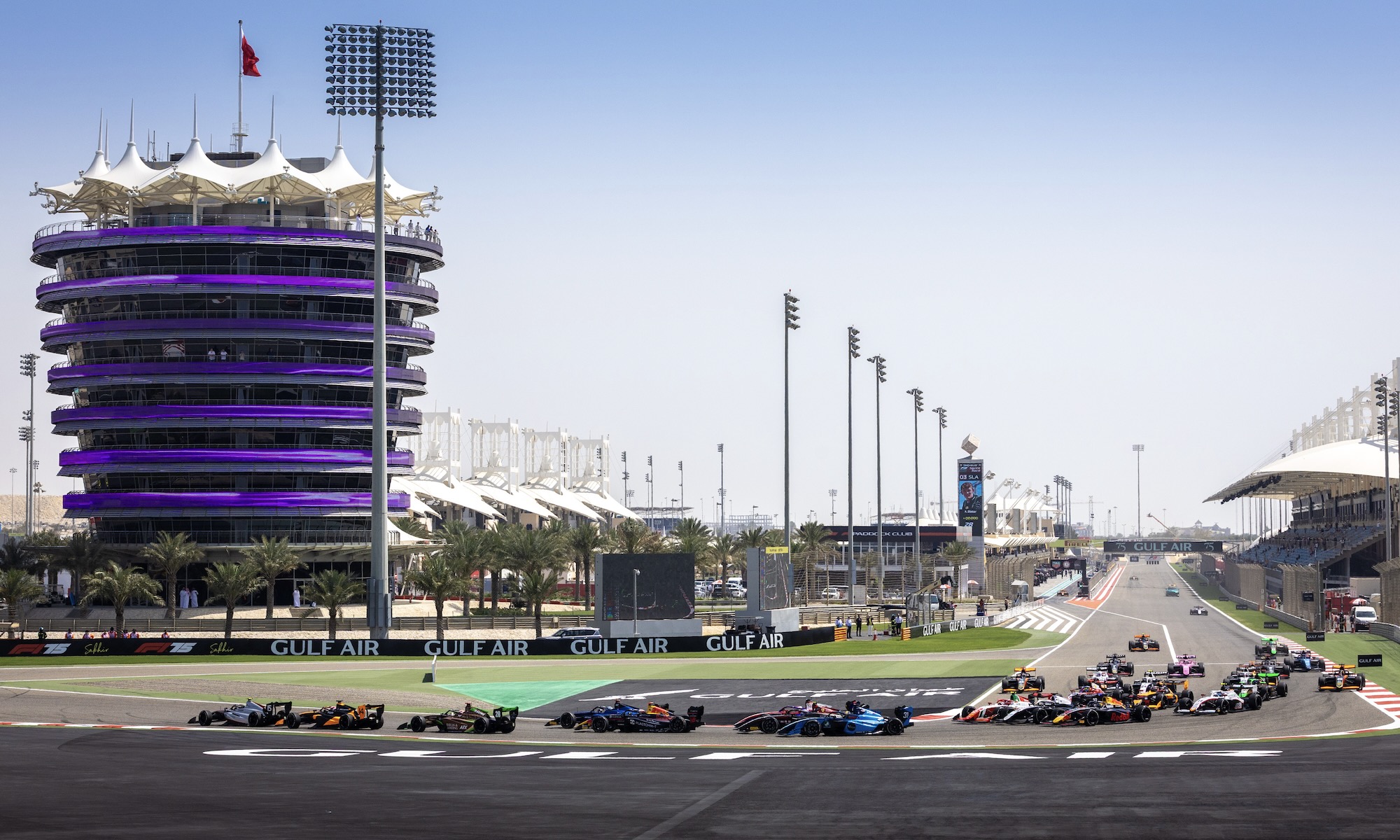
Mapping the Smartest Route into F1
By Katie Hawthorne, Communications Manager at DCM. The ascent of Kimi Antonelli to a race seat at Mercedes AMG has rewritten the modern playbook for

Racing Driver Diet with Example Race Day Nutrition Plan
By Simon Hayes, Head of Performance at DCM. Motorsports athletes are some of the fittest humans on the planet. This may be surprising to some,
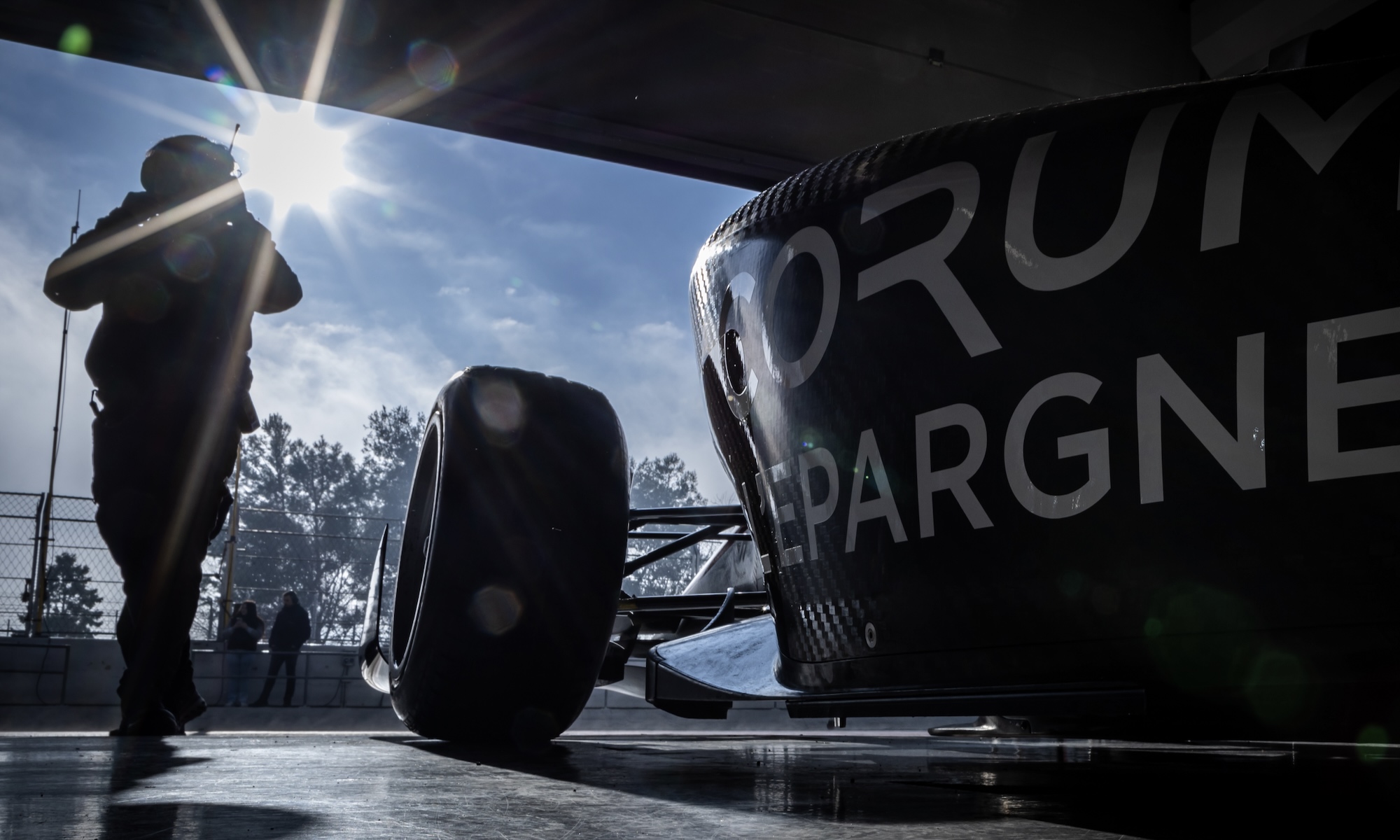
The Funding Challenge and the Evolution of Talent Funds
By Katie Hawthorne, Communications Manager at DCM. The cost of reaching the pinnacle of single-seater motorsport has reached a critical point. A single, competitive season