

The rise of “Super-Teams” across multiple continents
London – The operational footprint of junior single-seater racing is no longer fragmented among regional specialists. Instead, the industry is dominated by elite “Super-Teams” that command grids across multiple continents. European powerhouses like Prema Racing, ART Grand Prix, Hitech GP, and MP Motorsport have established a vertical monopoly on driver progression.
This trend has culminated in these organisations expanding their technical frameworks far beyond traditional European borders, highlighted by high-profile cross-continental entries into ecosystems like IndyCar and Indy NXT. For a young driver, signing with a multi-tiered super-team offers unparalleled data continuity, enabling them to move from Formula 4 to Formula Regional and up to Formula 2 or Indy NXT within the same team culture and engineering philosophy. For standalone regional teams, this massive consolidation presents an existential threat, forcing smaller outfits to either form direct technical alliances or risk being completely priced out of engineering talent and top-tier customer data.
The scale of these super-teams grants them significant bargaining power with suppliers, championship promoters, and F1 driver academies. By operating dozens of cars across five or six distinct racing series simultaneously, they achieve massive economies of scale in parts procurement, logistics, and engineering data collection. A breakthrough in tyre management software discovered by their F2 engineering squad can instantly benefit their F3 and Formula Regional programmes, creating a technological moat that independent teams struggle to cross, reinforcing the dominance of these racing empires.
This corporate expansion has fundamentally changed the paddock’s labour market. Elite race engineers, data analysts, and mechanics are increasingly drawn to super-teams because they offer clear career progression within the same corporate umbrella. An ambitious junior data analyst can start in Italian F4, move up to FIA F3, and eventually transition into an IndyCar programme without ever changing employers. This internal talent pipeline gives super-teams a major advantage in personnel retention, leaving independent regional operations struggling to recruit top-tier engineering talent and widening the performance gap on the racetrack.
Additionally, this multi-tiered infrastructure allows super-teams to offer unprecedented commercial packages to global sponsors. A multi-national brand can purchase a single sponsorship package that places its logo on cars racing in Europe, North America, and the Middle East, reaching millions of viewers across different time zones. This capability crowds out traditional single-series teams that cannot offer equivalent international exposure, centralising commercial power in the hands of a few dominant corporate racing stables.
About DCM
DCM is a premier motorsport management and investment firm based in London, Dubai, and Los Angeles. For over 15 years, DCM has discretely steered the careers of professional racing drivers across major single-seater and endurance racing series, contributing to numerous titles and trophies worldwide. In 2026, Henry James took the helm as CEO to lead the company’s pathway supporting aspiring Formula 1 drivers through DCM Academy and DCM Talent Fund.
Media Contact
Katie Hawthorne
Head of Communications
media@driverclubmanagement.com
driverclubmanagement.com
Latest News

DCM launches racing academy to bridge the gap for next generation of F1 talent
London — DCM has announced the launch of DCM Academy, a disruptive talent development programme specifically built to secure drivers a spot within Formula

The funding crisis and the evolution of talent funds
London — The cost of reaching the pinnacle of single-seater motorsport has reached a critical breaking point. A single, competitive season with a front-running team
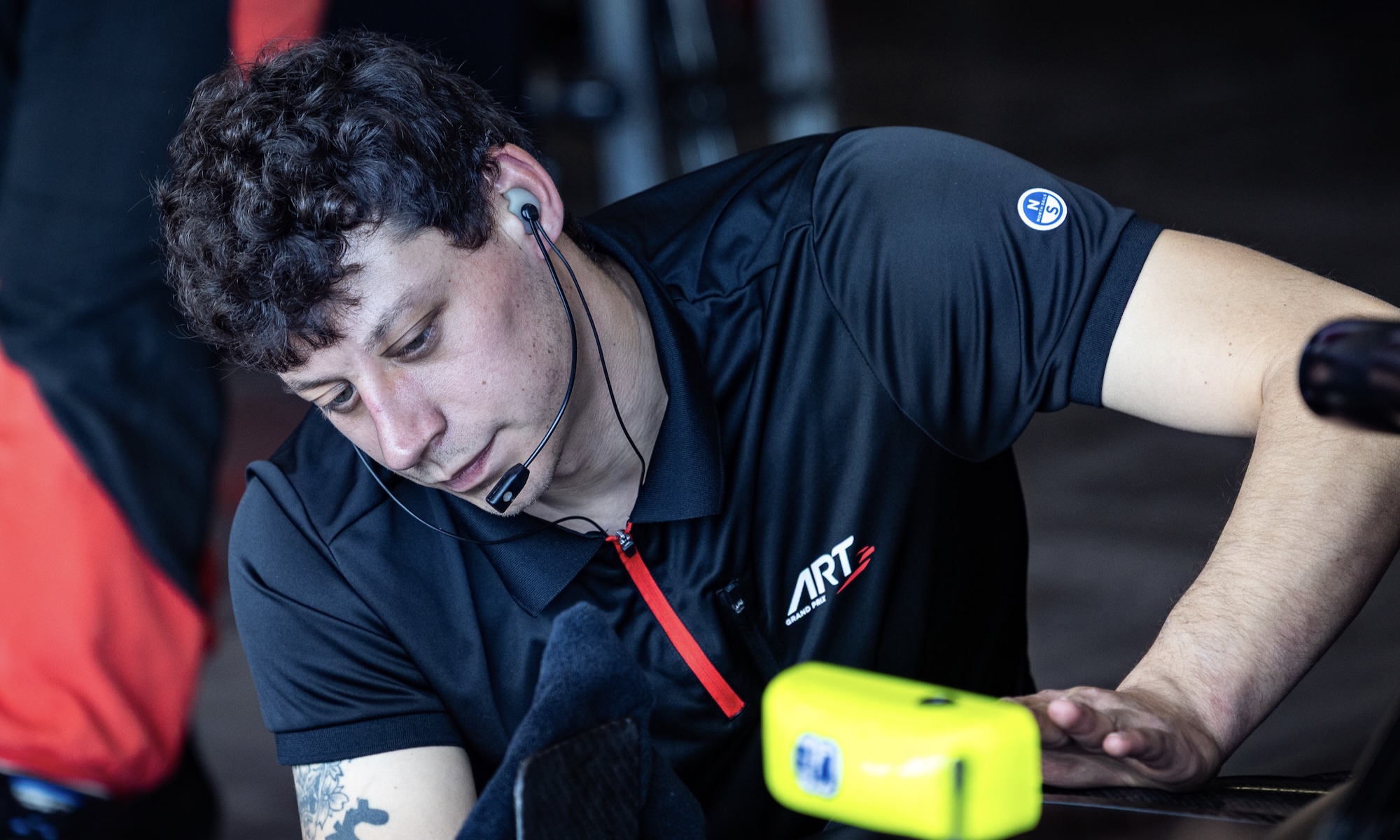
The rise of “Super-Teams” across multiple continents
London – The operational footprint of junior single-seater racing is no longer fragmented among regional specialists. Instead, the industry is dominated by elite “Super-Teams”

Alliances between junior single-seater teams and F1 junior academies
London — The strategic alignment between a junior single-seater team and a Formula 1 junior academy has become a defining factor in track performance and