

Alliances between junior single-seater teams and F1 junior academies
London — The strategic alignment between a junior single-seater team and a Formula 1 junior academy has become a defining factor in track performance and team valuation. Teams that forge tight operational links with programmes like the Ferrari Driver Academy, Red Bull Junior Team, or Alpine Academy gain access to far more than just a rotating roster of highly rated young drivers.
These formal alliances heavily influence a team’s engineering ecosystem. F1 teams often place their own simulators, performance data loops, and software engineers into junior single-seater teams to monitor their rising talent prospects. This technical cross-pollination elevates the performance of these junior single-seater teams across their entire fleet, making those specific seats the most coveted on the grid. For a team owner, an F1 alliance is the ultimate marketing tool: it automatically attracts high-net-worth customer drivers who are eager to buy into an environment that is heavily scrutinised by F1 decision-makers.
However, these alliances introduce unique operational pressures. Junior single-seater teams must often yield to the strategic demands of their F1 partners, which can include prioritising an academy driver’s developmental goals over the team’s immediate pursuit of a junior championship title. Additionally, if an academy driver underperforms, the F1 team can abruptly withdraw financial support or reallocate their engineering assets mid-season. This leaves the junior single-seater team scrambling to fill a costly vacancy and underscores the delicate balance required to manage these high-stakes partnerships.
This dynamic creates a two-tiered grid within junior championships. Teams with formal F1 alliances enjoy a steady stream of elite talent and advanced technical support, while independent teams are forced to work much harder to achieve similar results. This imbalance has driven independent teams to form creative partnerships with automotive manufacturers, high-tech engineering universities, or private investment groups to bridge the technical gap and maintain their competitiveness against F1-backed operations.
Over the long term, these alliances also reshape the corporate brand and image of a junior single-seater team. A team that consistently develops F1 junior academy drivers shifts from a simple service provider into an important extension of the F1 grid. This elevated status can increase the team’s overall value, making it an attractive target for acquisition by larger sports entertainment groups or automotive brands looking for an immediate entry point into the junior racing pyramid.
About DCM
DCM is a premier motorsport management and investment firm based in London, Dubai, and Los Angeles. For over 15 years, DCM has discretely steered the careers of professional racing drivers across major single-seater and endurance racing series, contributing to numerous titles and trophies worldwide. In 2026, Henry James took the helm as CEO to lead the company’s pathway supporting aspiring Formula 1 drivers through the DCM Academy and DCM Talent Fund.
Media Contact
Katie Hawthorne
Head of Communications
media@driverclubmanagement.com
driverclubmanagement.com
Latest News
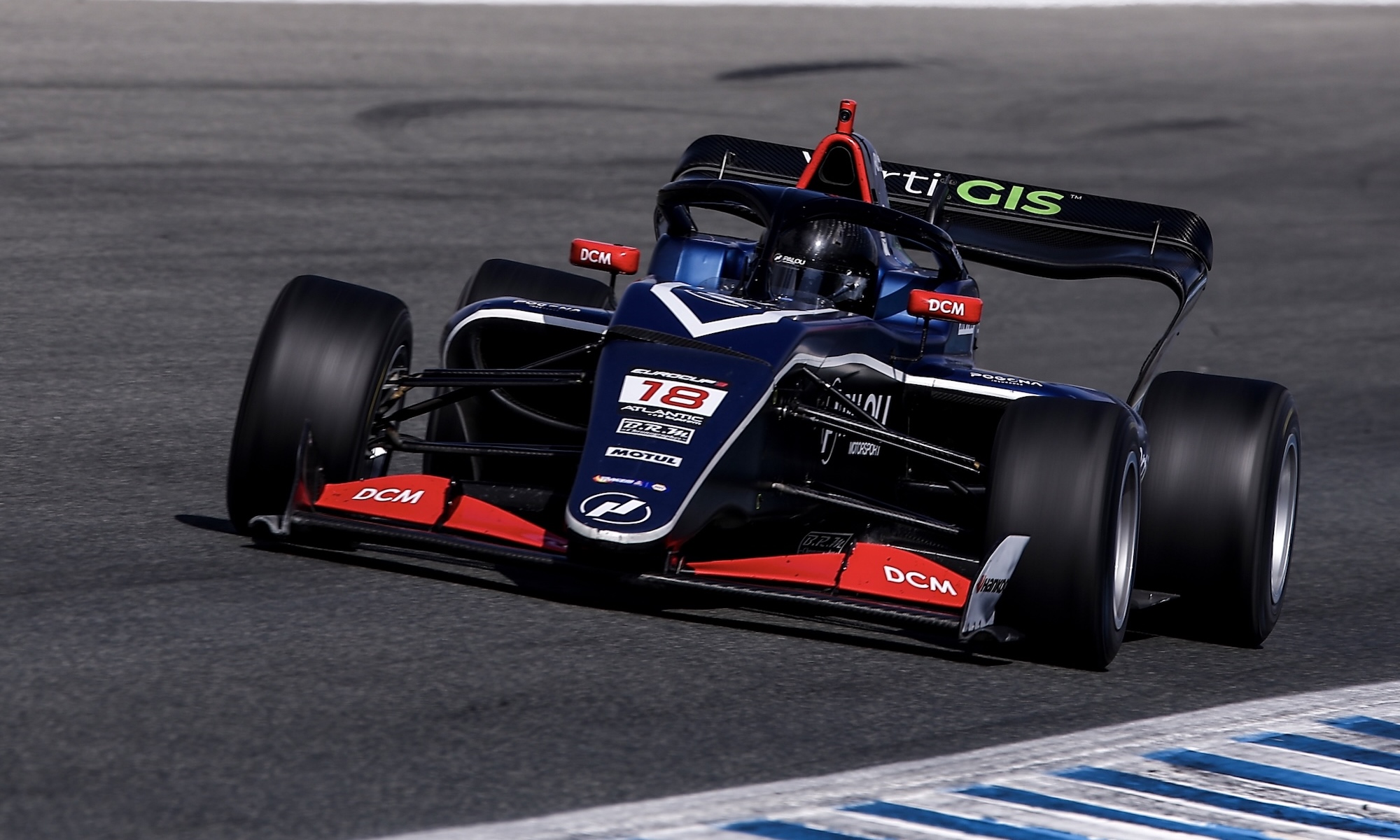
DCM launches racing academy to bridge the gap for next generation of F1 talent
London — DCM has announced the launch of DCM Academy, a disruptive talent development programme specifically built to secure drivers a spot within Formula
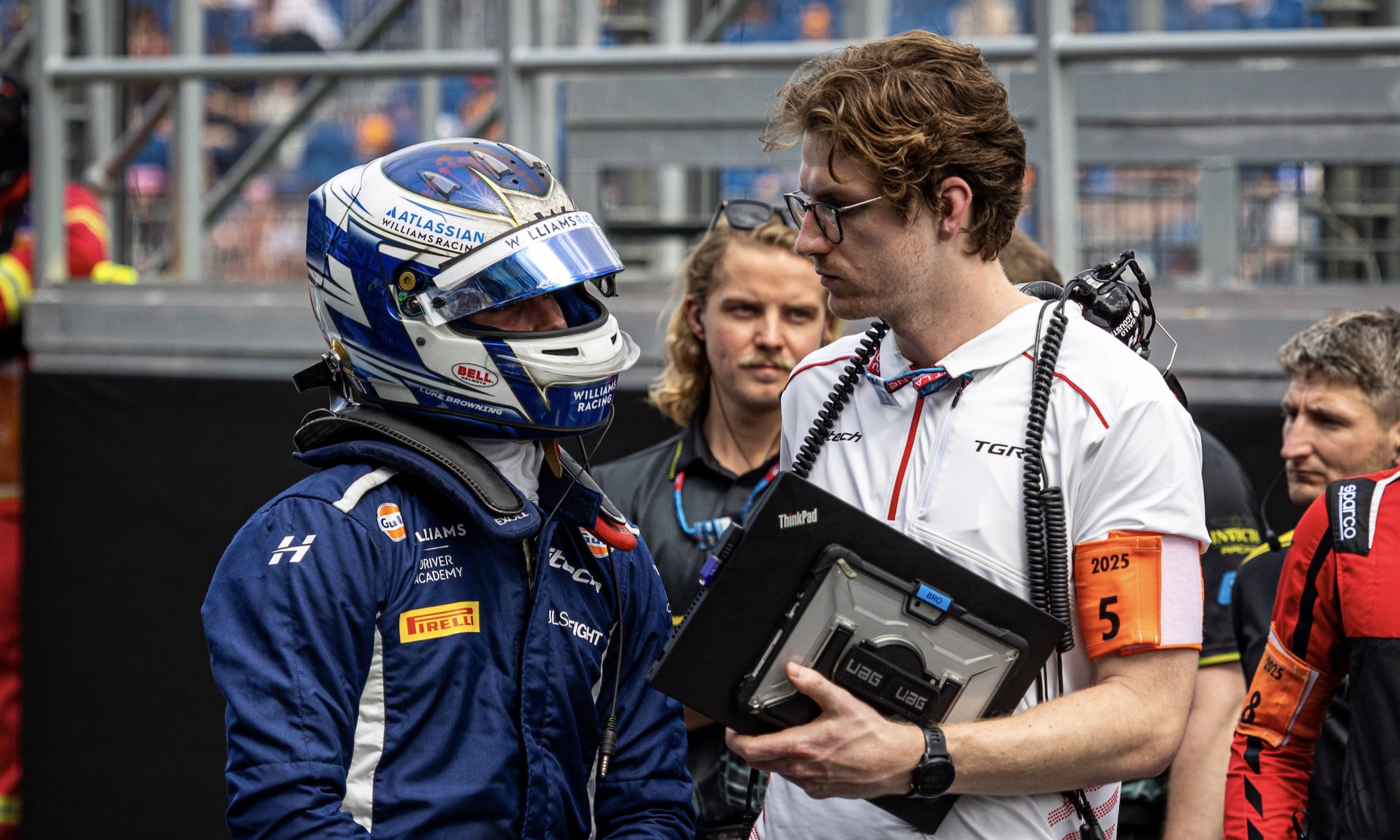
The funding crisis and the evolution of talent funds
London — The cost of reaching the pinnacle of single-seater motorsport has reached a critical breaking point. A single, competitive season with a front-running team
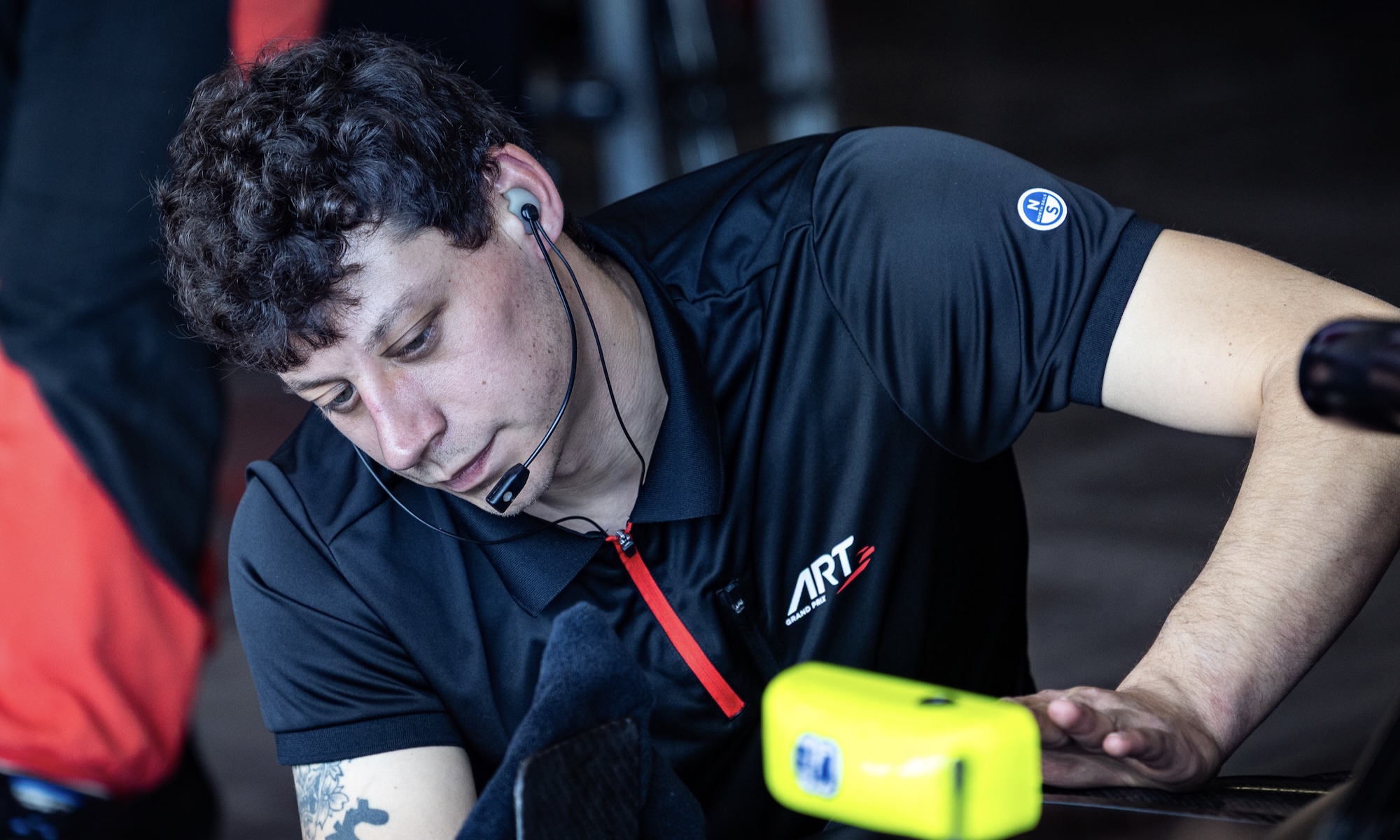
The rise of “Super-Teams” across multiple continents
London – The operational footprint of junior single-seater racing is no longer fragmented among regional specialists. Instead, the industry is dominated by elite “Super-Teams”
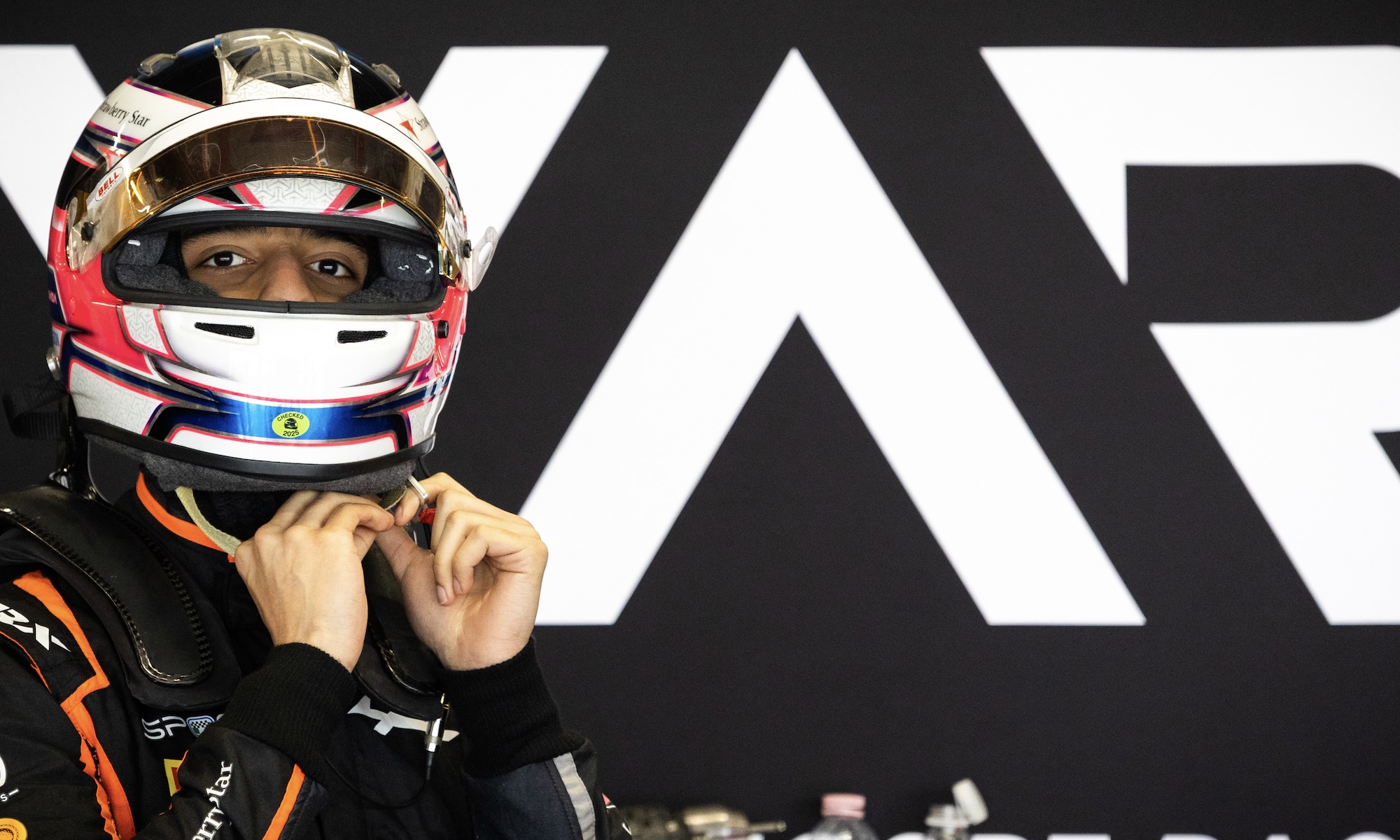
Alliances between junior single-seater teams and F1 junior academies
London — The strategic alignment between a junior single-seater team and a Formula 1 junior academy has become a defining factor in track performance and