

The shrinking age window of F1 junior academy signings
London — The timeline for securing a spot in a Formula 1 junior academy has moved drastically forward. F1 teams are aggressively scouting and signing drivers aged 10-16, sometimes before they have even graduated from international karting championships like WSK or Champions of the Future. This hyper-acceleration of the scouting cycle has permanently disrupted how a driver’s early career must be managed.
By the time a driver transitions to their first year of single-seaters in Formula 4 at age 15, the most coveted junior academy slots are frequently already locked down. For parents and early-stage managers, this means that performance and commercial branding during the junior karting years are just as critical as data loops in a Formula 4 car. The early pressure to secure a deep Formula 1 affiliate relationship requires heavy financial resources and immediate access to elite coaching, and precise networks from the cadet karting ranks.
This hyper-early talent acquisition has turned international karting into a high-stakes corporate proving ground. Young drivers find themselves under the scrutiny of F1 talent scouts who monitor telemetry data, fitness baselines, and psychological resilience before these children are legally old enough to drive a road car. This early selection process leaves late-blooming drivers at a distinct disadvantage, establishing a system where an unmanaged or underfunded karting career can effectively begin to shut the door on F1 aspirations before a driver ever sits in a single-seater chassis.
The downstream impact of this environment is a complete restructuring of the early-stage driver management sector. Ten years ago, a manager would rarely engage with a driver until they were on the cusp of transitioning to cars. Now, management stables must possess dedicated karting divisions staffed by scouts who understand the complex regulatory environment of international karting and maintain direct lines of communication with F1 academy directors. This hyper-accelerated timeline means that commercial mistakes made at age 12, such as signing an ill-advised, restrictive long-term contract, can have severe, permanent consequences for a driver’s long-term career trajectory.
Consequently, this creates an elite tier of young drivers who operate under immense psychological and commercial pressure. These often pre-teen athletes are required to deliver flawless on-track results while simultaneously acting as brand ambassadors for F1 teams. The family unit around the driver must morph into a professional support structure, managing physical conditioning, cognitive training, and media relations. For those who lack early institutional backing, the task of breaking into this prized ecosystem becomes increasingly difficult, making specialised, early-stage development programmes an absolute necessity for anyone serious about reaching the top flight of single-seater racing.
About DCM
DCM is a premier motorsport management and investment firm based in London, Dubai, and Los Angeles. For over 15 years, DCM has discretely steered the careers of professional racing drivers across major single-seater and endurance racing series, contributing to numerous titles and trophies worldwide. In 2026, Henry James took the helm as CEO to lead the company’s pathway supporting aspiring Formula 1 drivers through DCM Academy and DCM Talent Fund.
Media Contact
Katie Hawthorne
Head of Communications
media@driverclubmanagement.com
driverclubmanagement.com
Latest News
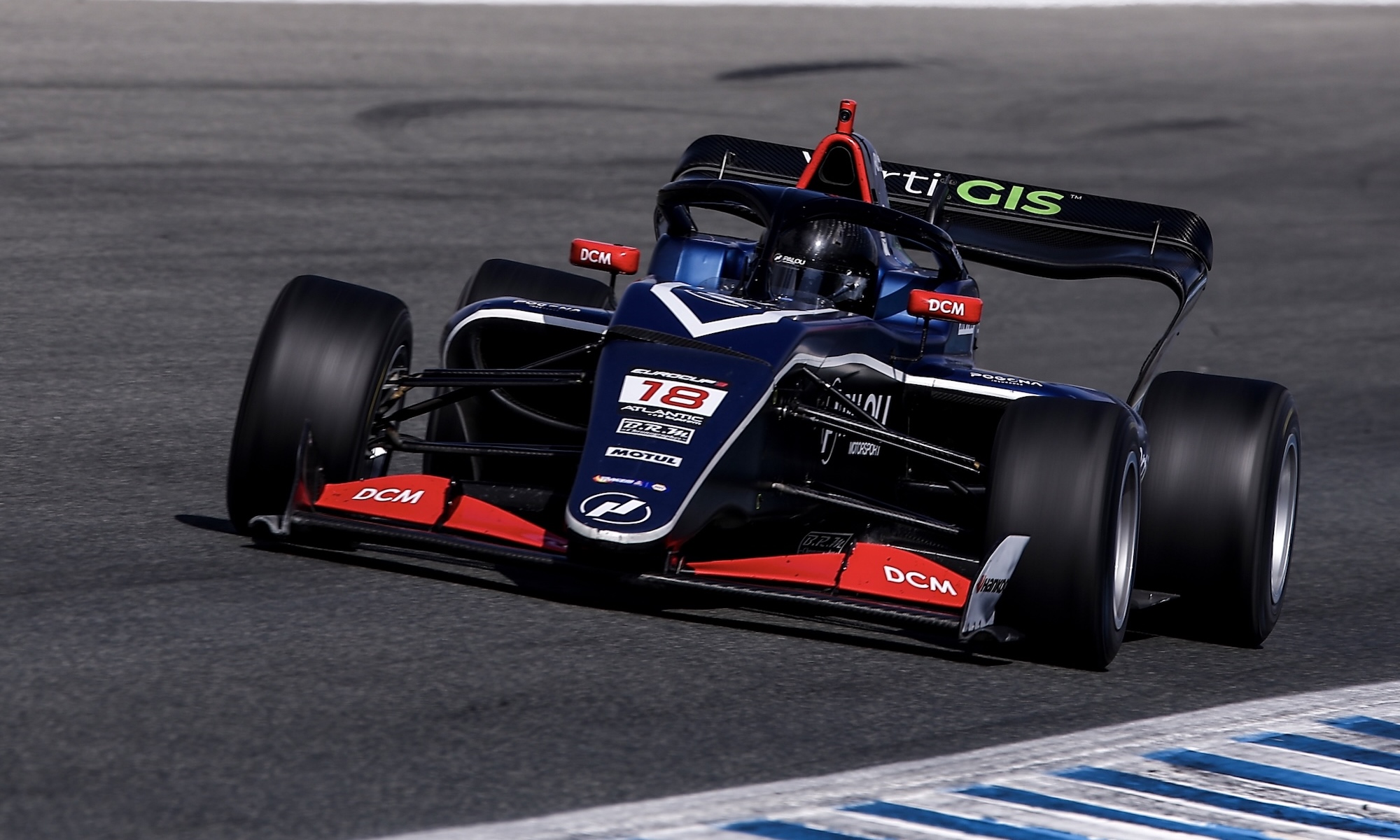
DCM launches racing academy to bridge the gap for next generation of F1 talent
London — DCM has announced the launch of DCM Academy, a disruptive talent development programme specifically built to secure drivers a spot within Formula
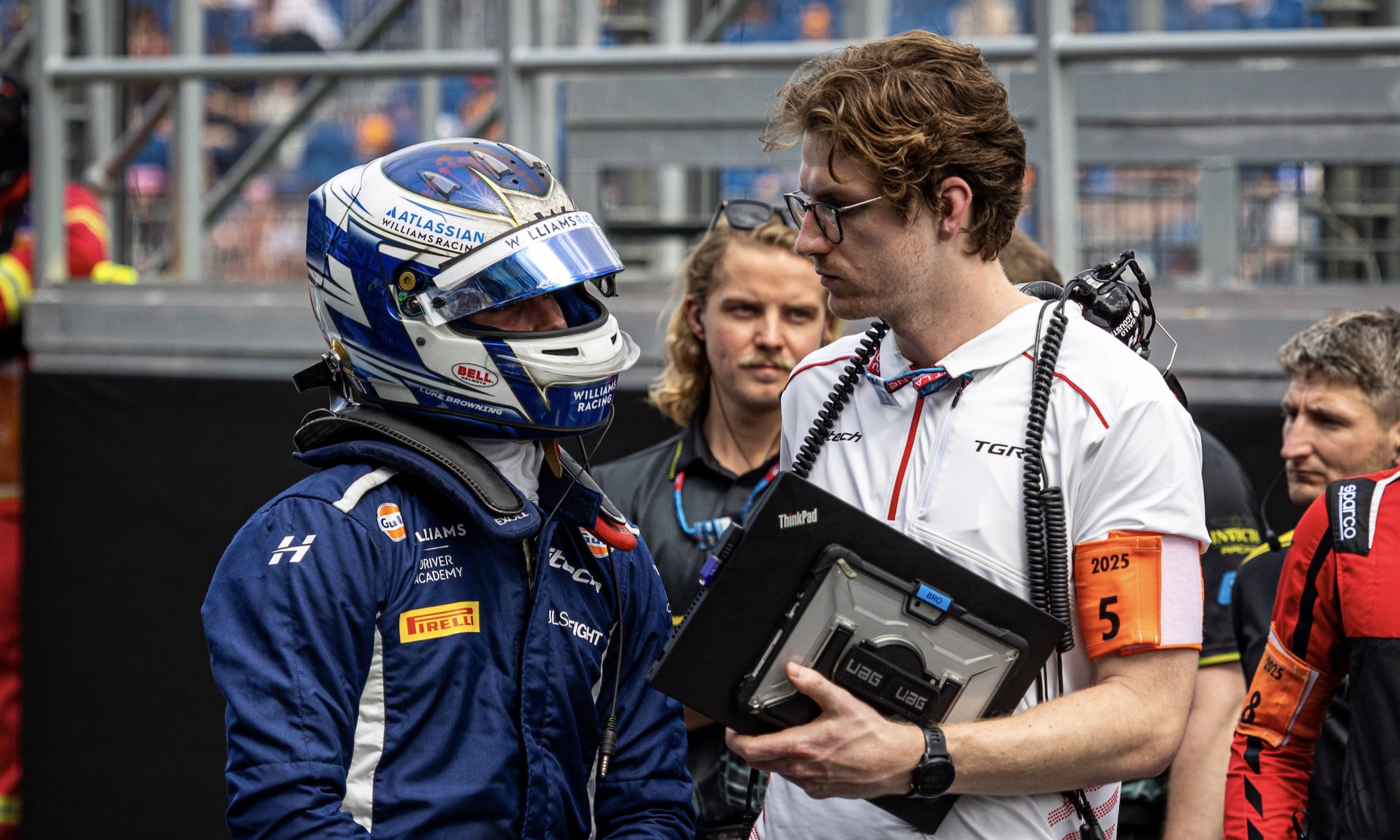
The funding crisis and the evolution of talent funds
London — The cost of reaching the pinnacle of single-seater motorsport has reached a critical breaking point. A single, competitive season with a front-running team
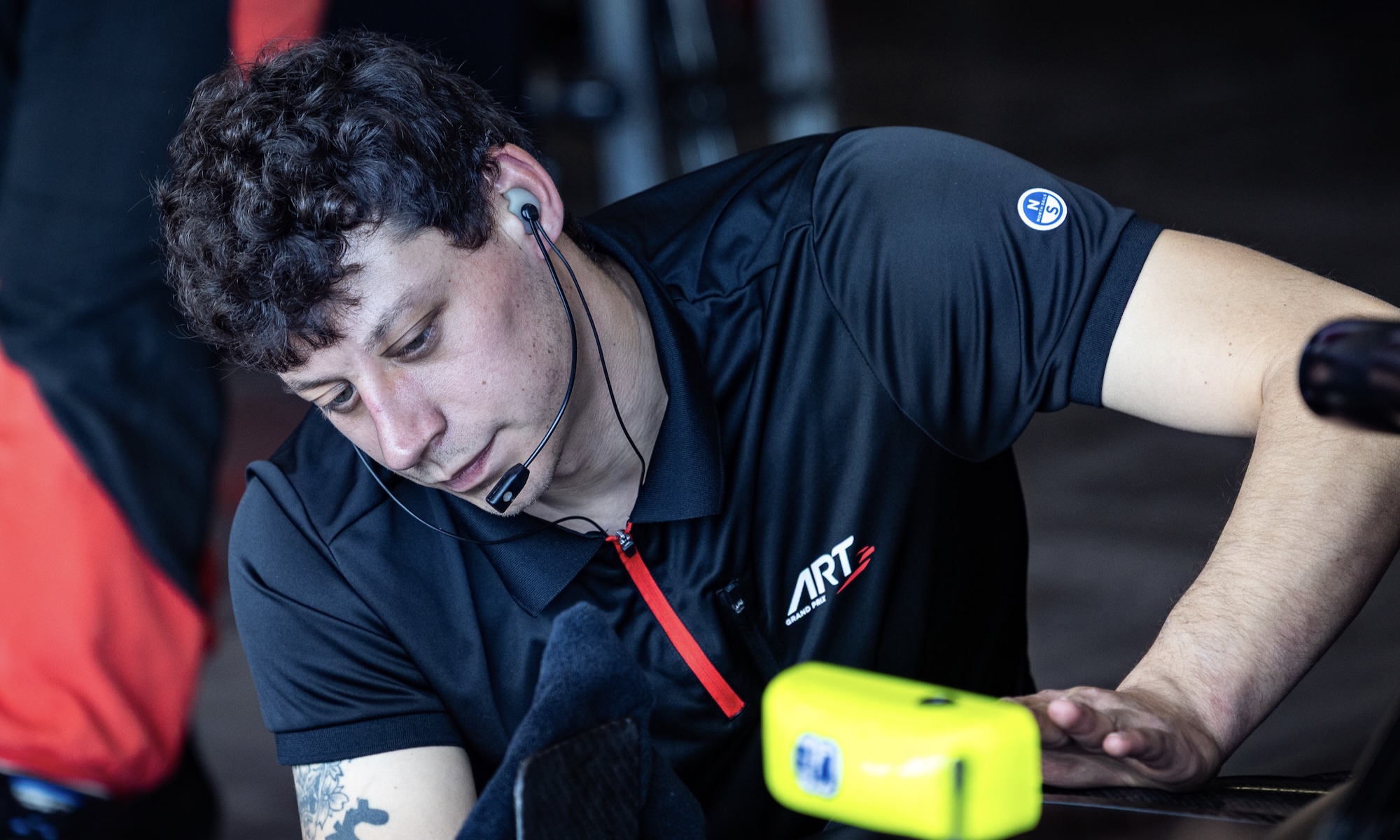
The rise of “Super-Teams” across multiple continents
London – The operational footprint of junior single-seater racing is no longer fragmented among regional specialists. Instead, the industry is dominated by elite “Super-Teams”
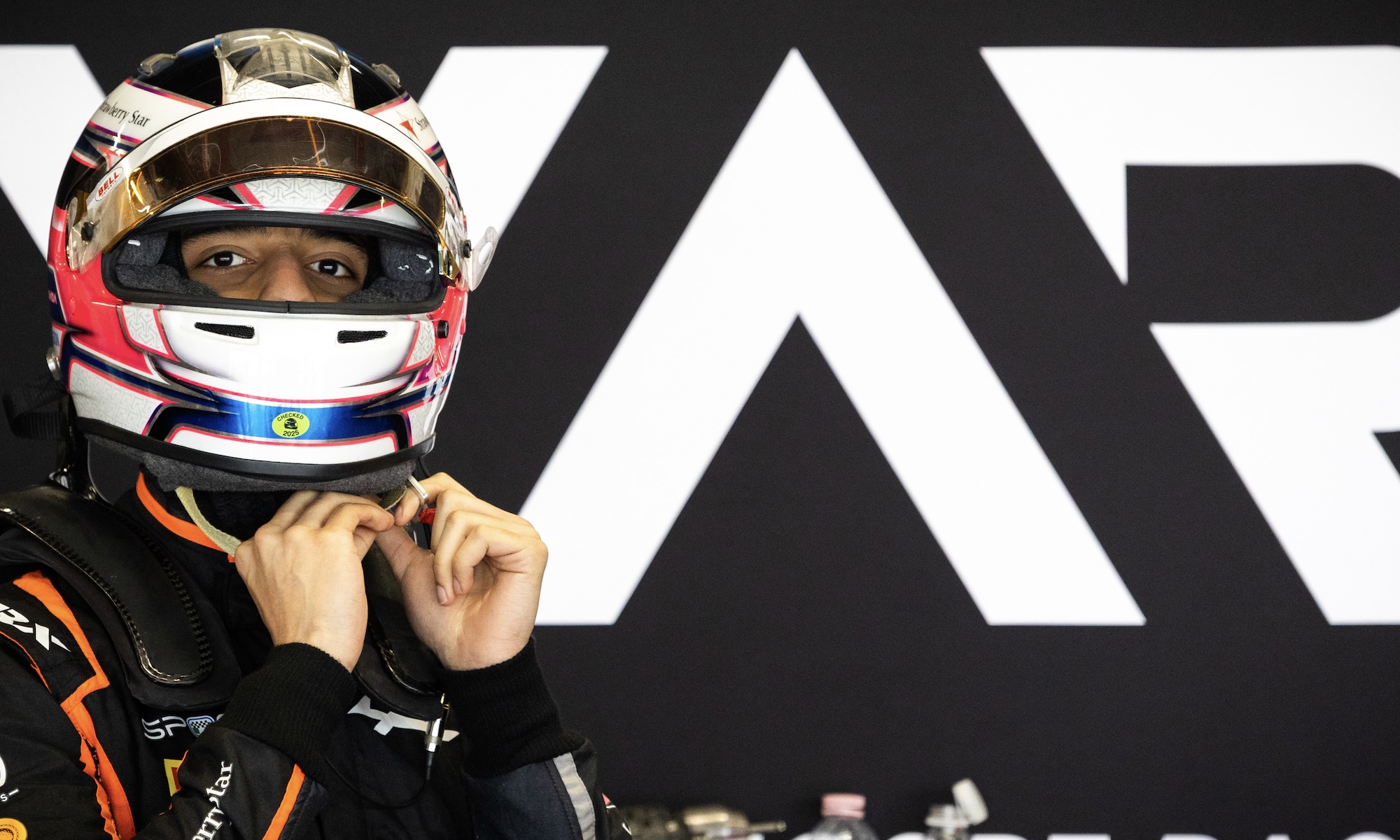
Alliances between junior single-seater teams and F1 junior academies
London — The strategic alignment between a junior single-seater team and a Formula 1 junior academy has become a defining factor in track performance and